

After F1’s Luxury Boom, Are Cycling and Sailing Next?
Editorial
After F1’s Luxury Boom, Are Cycling and Sailing Next?

Some sports have always been luxurious. The pristine whites and manicured grass of Wimbledon, the expensive-sounding thwack of mallets at a polo match — the playful pursuits of the rich and famous have always been a happy hunting ground for luxury brands to ply and promote their trade, which is why the partnerships and ambassador rosters of your favourite watchmakers are full of handsome European men who are very good at exceptionally niche sports.
Formula 1 has, for a long time, been a part of this roster — ever since Heuer (before it had partnered with TAG) struck up a deal with Swiss driver Jo Siffert. In recent years, though, the machismo cool of going very fast in small cars has become incredibly popular — thanks largely to the sporty docudrama that is Drive to Survive. F1 is now an incredibly popular sport with an aspirational audience that is — incredibly — becoming younger and increasingly less male-dominated. This demographic skew is like catnip for luxury brands, which are always looking to hook the next generation. So unsurprisingly, every luxury brand and their proverbial mother is doing all they can to pair up with F1, however they can.
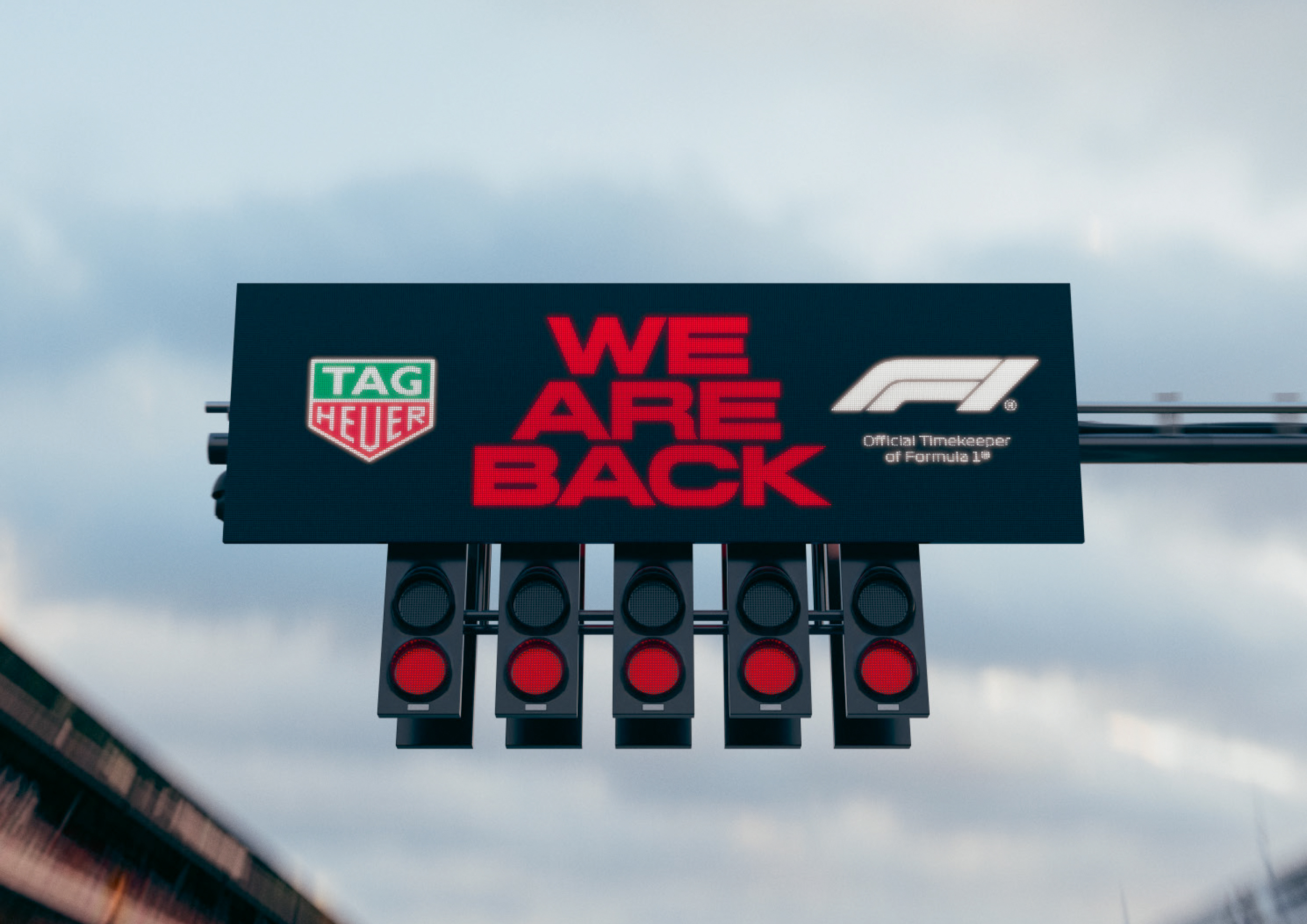
TAG Heuer hasn’t been shy in letting people know about its role as F1 timekeeper
Nowhere is this frenzy over F1 exemplified more than the LVMH group, which inked a mammoth 1.5 billion dollar, 10-year, multi-brand sponsorship deal in 2024, a deal that sees LVMH brands occupy key moments across the F1 season. Trophies are encased in bespoke LV trunks, Moët & Chandon is liberally sprayed at every podium, and, of course, TAG Heuer is timing everything. And if you’re lucky enough to be an important client of one of these brands, you can score an invite to palatial lounges and get up close and personal with the drivers in the paddock.
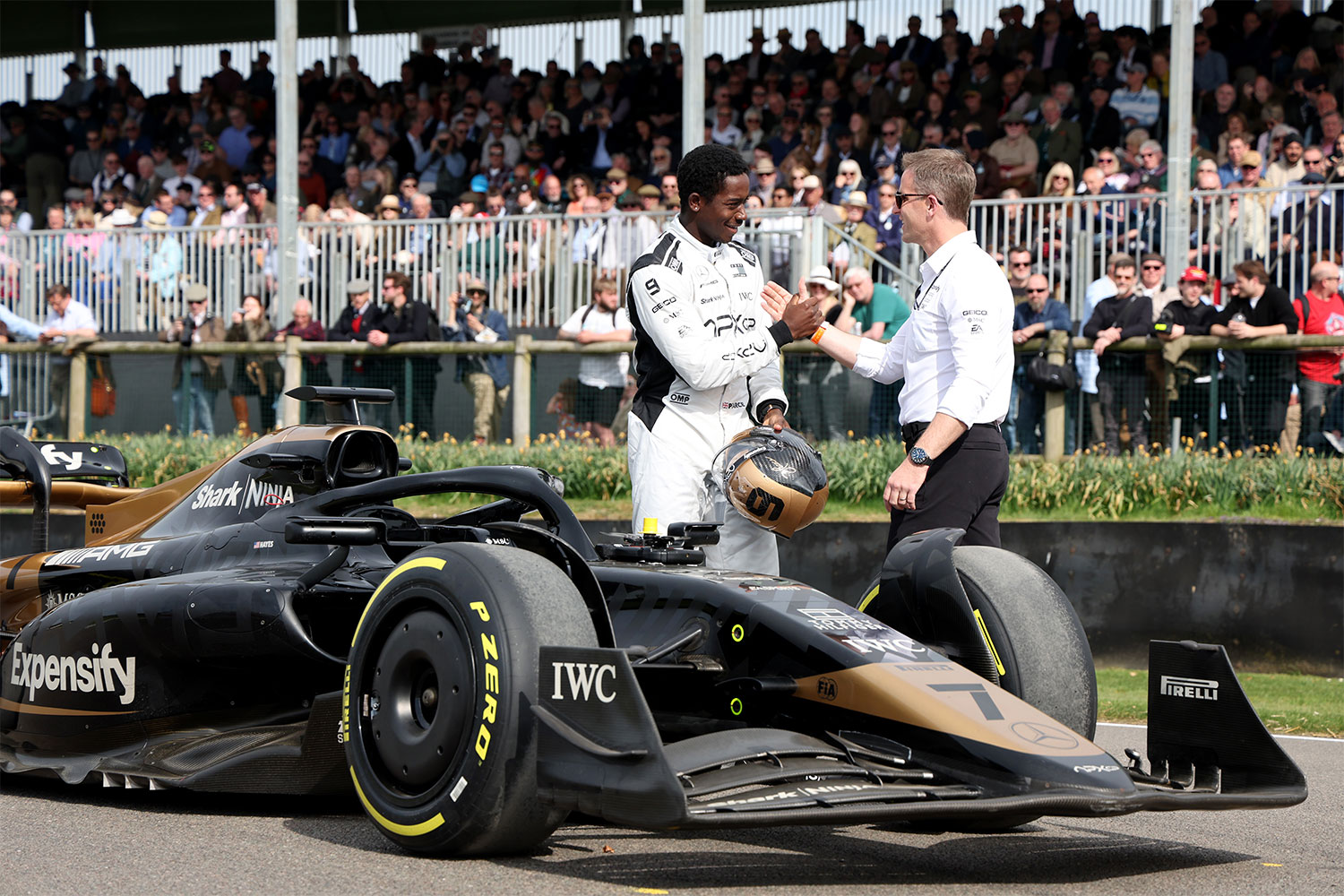
The F1 movie, starring Damson Idris (left), is IWC’s major marketing activation for 2025, following on from the success of similar integration in Top Gun: Maverick
Of course, LVMH doesn’t control every luxury placement on and around the track — team sponsorships are an equally important, and coveted, endorsement. IWC has gone all-in on a Hollywood interpretation of F1, in the eponymous movie of the sport. One of the most potent endorsements on the track is between Scuderia Ferrari and Richard Mille, who took over the sponsorship from Hublot in 2021. Already, this is a top-tier pairing, but add Lewis Hamilton to the mix and you’ve got an unstoppable force on your hands.
The Richard Mille effect
When it comes to sports marketing savvy, Richard Mille is hard to beat — the brand has the budget and the brains to pick smart endorsements, making high-profile deals early on with Felipe Massa in F1 and Rafael Nadal in tennis, as well as partnerships in athletics and polo. If you’re looking for a cheat sheet as to what types of sporting partnerships are going to be important, keeping up to date with Richard Mille’s roster is a quick way to go about it.
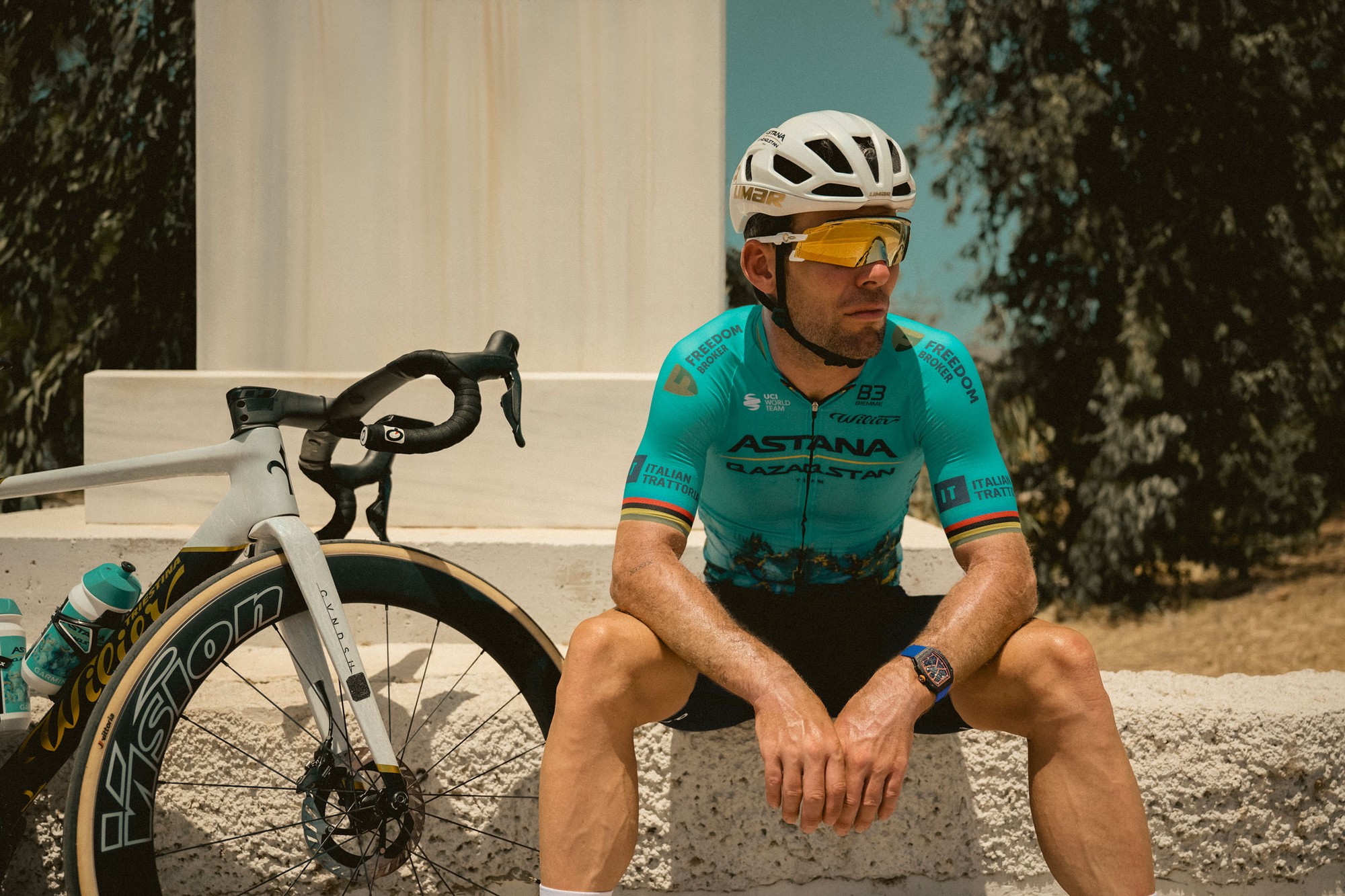
Legendary cyclist Mark Cavendish is an ambassador for Richard Mille
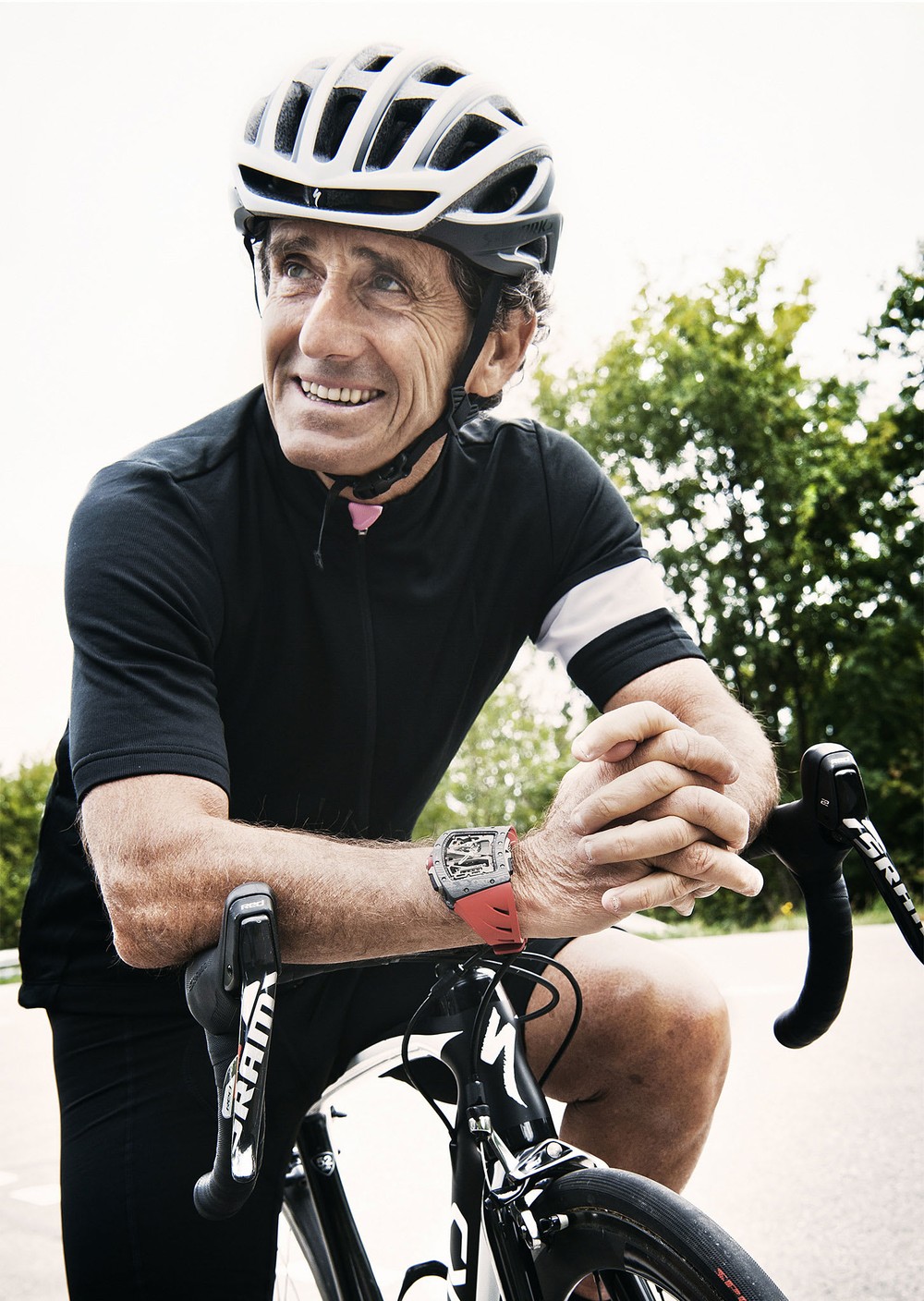
Better known for his motor sports legacy, Alain Prost has turned his passion for cycling into one of the coolest Richard Mille models of recent years
One other sporting arena where Richard Mille has been quite bullish is cycling. Richard Mille has picked two legends as ambassadors. Mark Cavendish is one of the greatest cyclists of the modern era, a sprinter who’s won world championships, Commonwealth medals and, perhaps most significantly, holds a record 35 stage wins at the Tour de France, one more than Eddy Merckx. Richard Mille’s other cycling ambassador is a little more surprising — motorsports racing icon Alain Prost. In 2017, Richard Mille announced the RM 70-01 tourbillon, geared around Prost’s other passion — cycling. This remarkable watch introduced a completely new case profile to the Richard Mille catalogue, a dynamic evolution of the iconic tonneau that curved away from the wrist, to make it more comfortable for long rides in the saddle. And of course, each of these initial watches came with a custom Colnago bike.
Is cycling the next big thing?
Richard Mille is far from alone in focusing on cyclists — Breitling sponsors the Q36.5 Pro Cycling Team — the 24 riders wearing ultra-light Endurance Pro watches as they gear up for the 2026 World Tour. On top of that, Breitling has also paid tribute to two historic Italian riders, Fausto Coppi and Gino Bartali, earlier this year, with a pair of colourful and nostalgic Top Times.
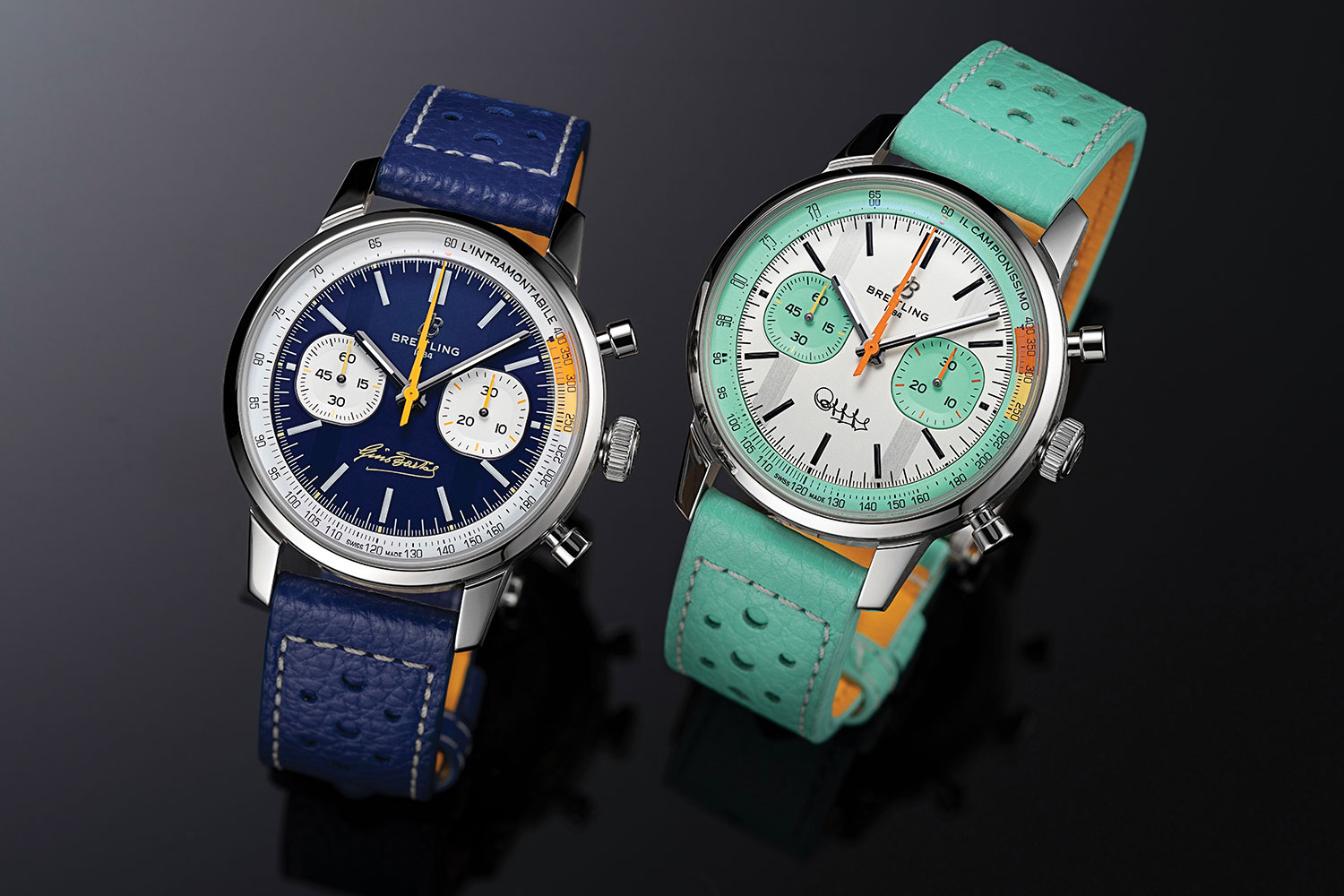
Released earlier this year, this pair of Top Times honors the Italian cycling rivals Fausto Coppi and Gino Bartali
Tudor is another brand leaning into the speed and agility that two wheels provide — the Tudor Pro Cycling Team debuted in 2022, and is one of the brand’s most prominent sporting partnerships. On top of that, Tudor is the timekeeper of the Giro d’Italia, one of the most prestigious of the professional Grand Tours.
Richard Mille, Breitling and Tudor are but three examples of fine watchmakers investing in the world of cycling — but you might be asking — why? Well, much like F1, competitive cycling has been undergoing something of a renaissance. Thanks largely to the pioneering work of Rapha in the 2000s, competitive cycling has been shedding its image of middle-aged men in Lycra, and becoming cooler, elevated alongside technical fabric and streetwear into something more akin to a lifestyle brand than a sporting pursuit. In 2021, Burberry became the first major luxury fashion brand to partner with a Tour de France team, and in the years since, Luis Vuitton has collaborated with bespoke bike maker Maison Tamboite, and Jacquemus has teamed up with Van Moof. If you’ll pardon the pun, cycling is on a roll.
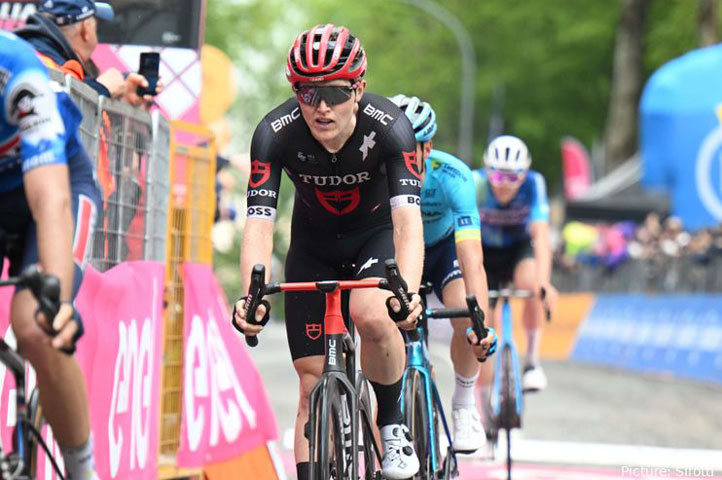
The Tudor Pro Cycling Team is a Swiss professional road cycling team launched in 2022
The 64 million dollar question is, as always, why? Perhaps the most obvious reason is that the demographic for serious cycling consumers makes for a neat Venn overlap with luxury. If you’re comfortable dropping a few grand on some carbon fibre components to shed a few grams off your frame, you’re not going to baulk at the price tag of a Tudor or a Breitling. Then there’s that shared technical language and narrative — like watches, high-performance bikes are a compelling combination of centuries-old technology paired with 21st-century materials. And finally, it’s a good look. Cycling is more than just a sport or a mode of transportation; it’s a tool for self-improvement and a sustainable one at that. For luxury, these three boxes alone make cycling worth serious consideration — add to the fact that the most visible cycling event, the Tour de France, is underleveraged by luxury brands. Tissot provides the timekeeping for the tour, and Tudor is the only major team partner; that’s about it. Opportunities abound.
Or perhaps sailing?
Before I bring up sailing, I want to briefly take a step onto the football pitch — an arena much loved by luxury sponsors. But I want to talk about a very specific case, and don’t worry, I’m bringing it back around to sailing. Back in 2021, one of the oddest football stories was that of Wrexham AFC, a fifth-tier Welsh football team that was in a sorry state of affairs. Cue the combined Hollywood power (and surprising business savvy) of Ryan Reynolds and Rob McElhenney, who picked up the struggling team for around USD 2.5 million, and proceeded to do to regional UK football, what Drive to Survive did for F1, with the Disney+ show docu-series Welcome to Wrexham immediately shining a light on the personalities and dramas of the club, all seen through the lens of an uplifting underdog story. Now, a few years on, we can see that the Wrexham experiment worked — The team is now in the Championship league, and revenue has increased by nearly 350%, with valuations putting the team at around USD 475 million. Clearly, this is a strong return on investment for Ryan Reynolds — but what does it have to do with sailing?
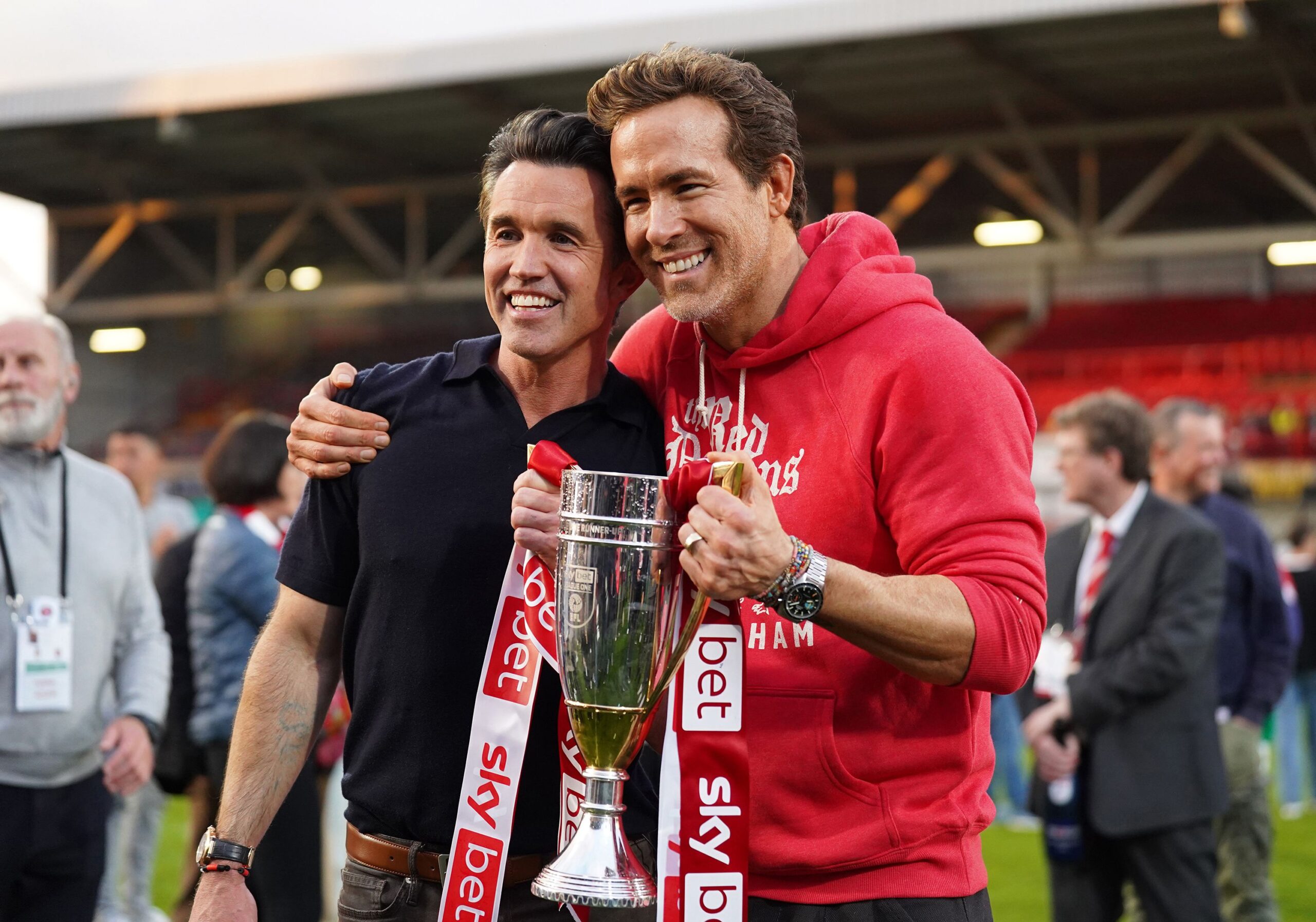
Ryan Reynolds and Rob McElhenney purchased Wrexham AFC in 2021
In June this year, News broke that Ryan Reynolds had teamed up with fellow actor and Deadpool & Wolverine star Hugh Jackman, to buy into the Australian SailGP team, alongside co-owner, driver and Olympic gold medallist Tom Slingsby, who has led the BONDs Flying Roos (to give the team its proper name) to three championships in four seasons. It’s not wild to assume that Reynolds will follow a similar path with the Roos as Wrexham — using his clout to garner massive attention for competitive sailing, and opening the sport up to a whole new audience.
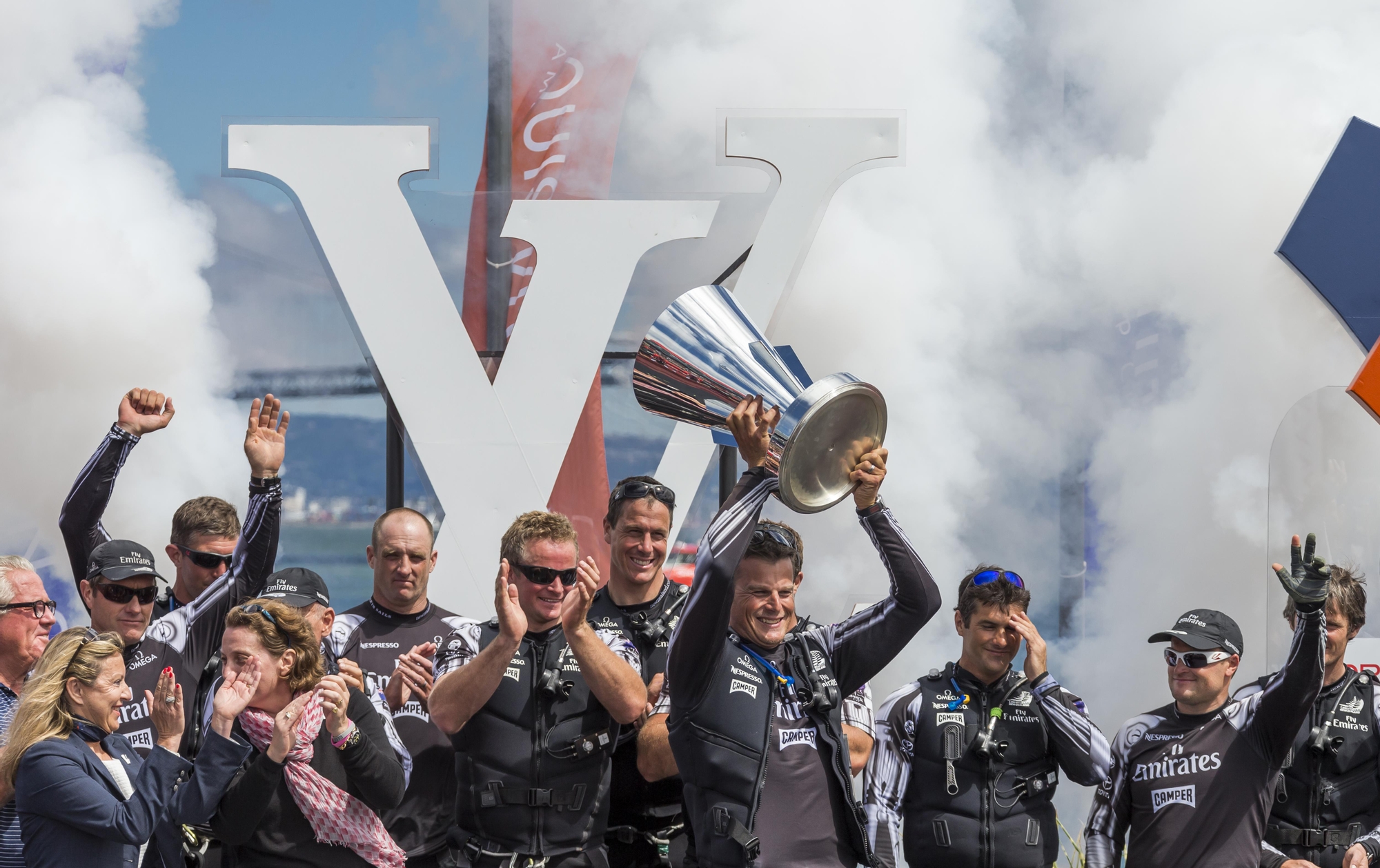
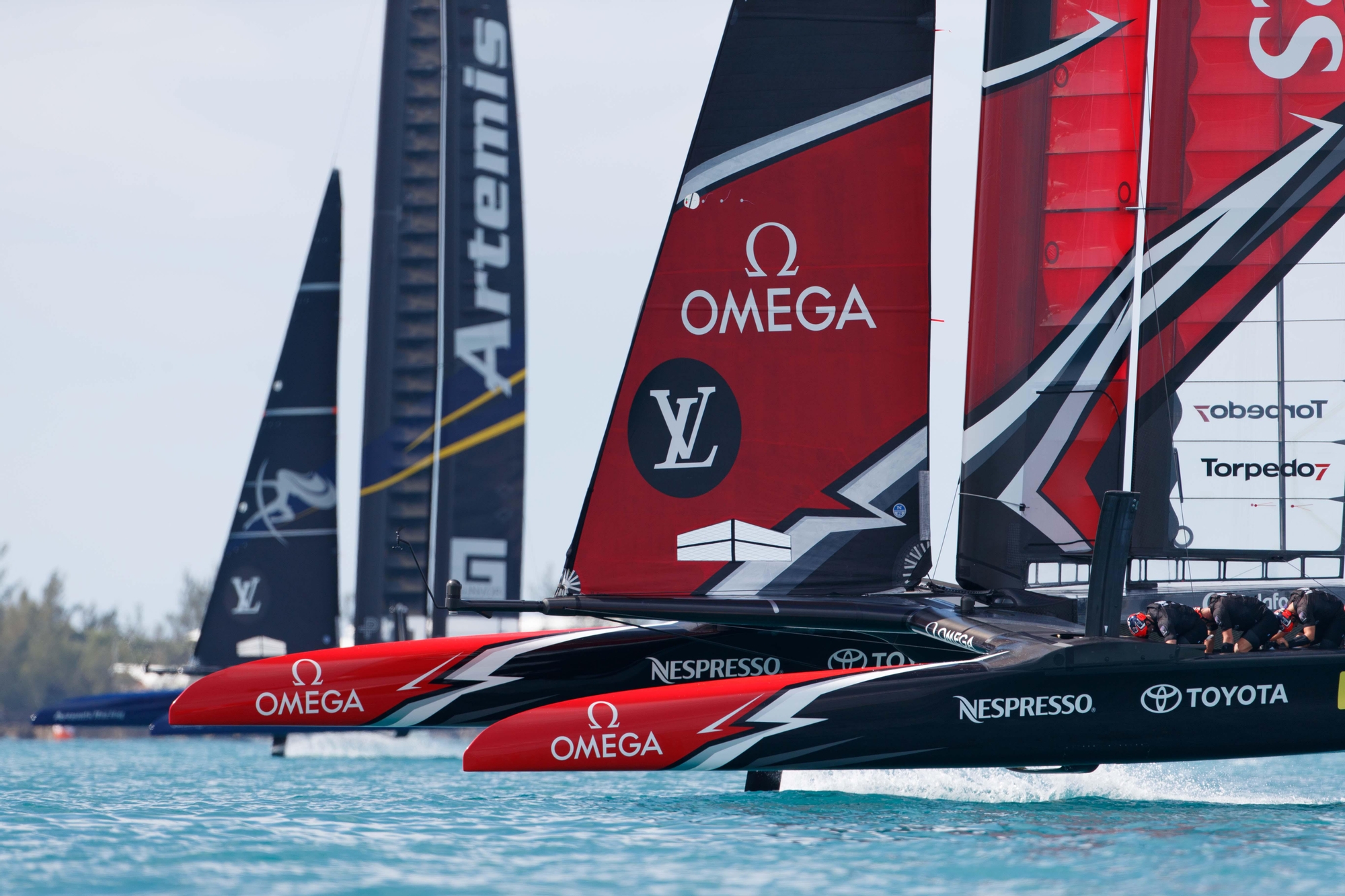
The America’s Cup has been one of Louis Vuitton’s key sailing events for more than 40 years
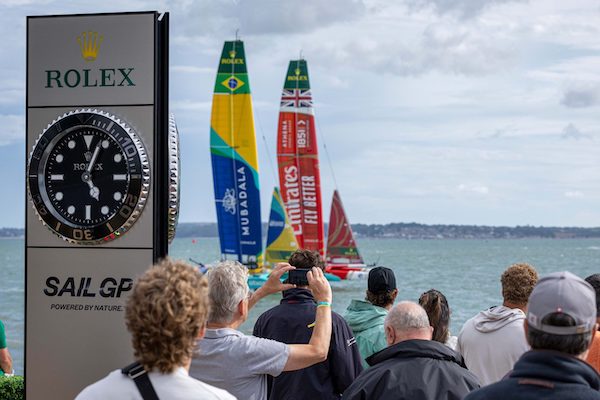
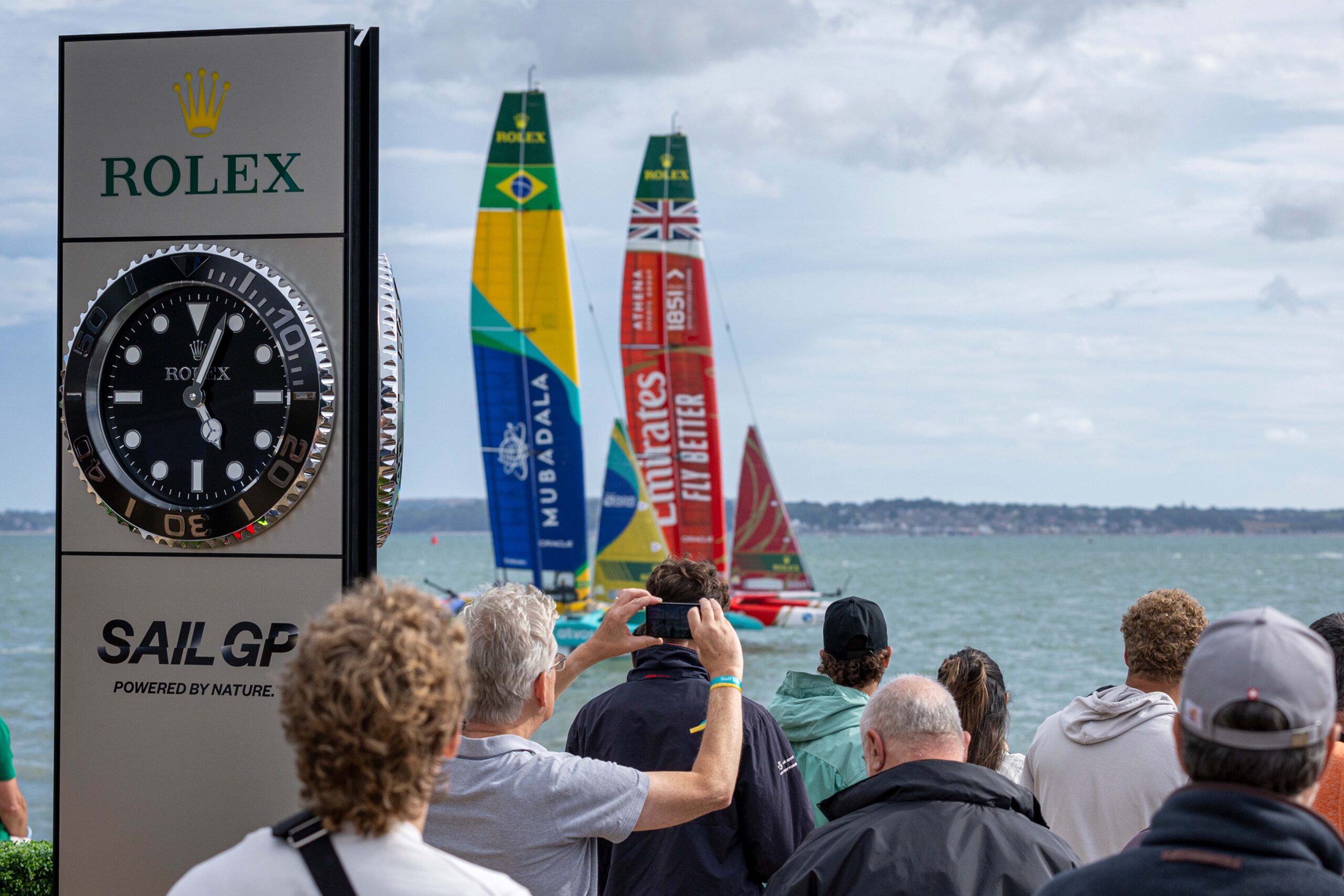
Of course, it’s not a new field for luxury watch brands. Slingsby himself is a Rolex Testimonee, and the sails or hulls of yachts in every major competition are emblazoned with the names of watchmakers and other luxury brands. Rolex’s relationship with sailing got some attention a few years back when British sailor Sir Ben Ainslie soft-launched a titanium Yacht-Master in 2020. One brand with plenty of experience in sailing is Louis Vuitton, in fact this experience may have laid the groundwork for Louis Vuitton’s F1 deal — the brand has been partnered with the America’s Cup — the world’s premier sailing regatta, since 1983, keeping the ornate silverware safe in a bespoke trunk.
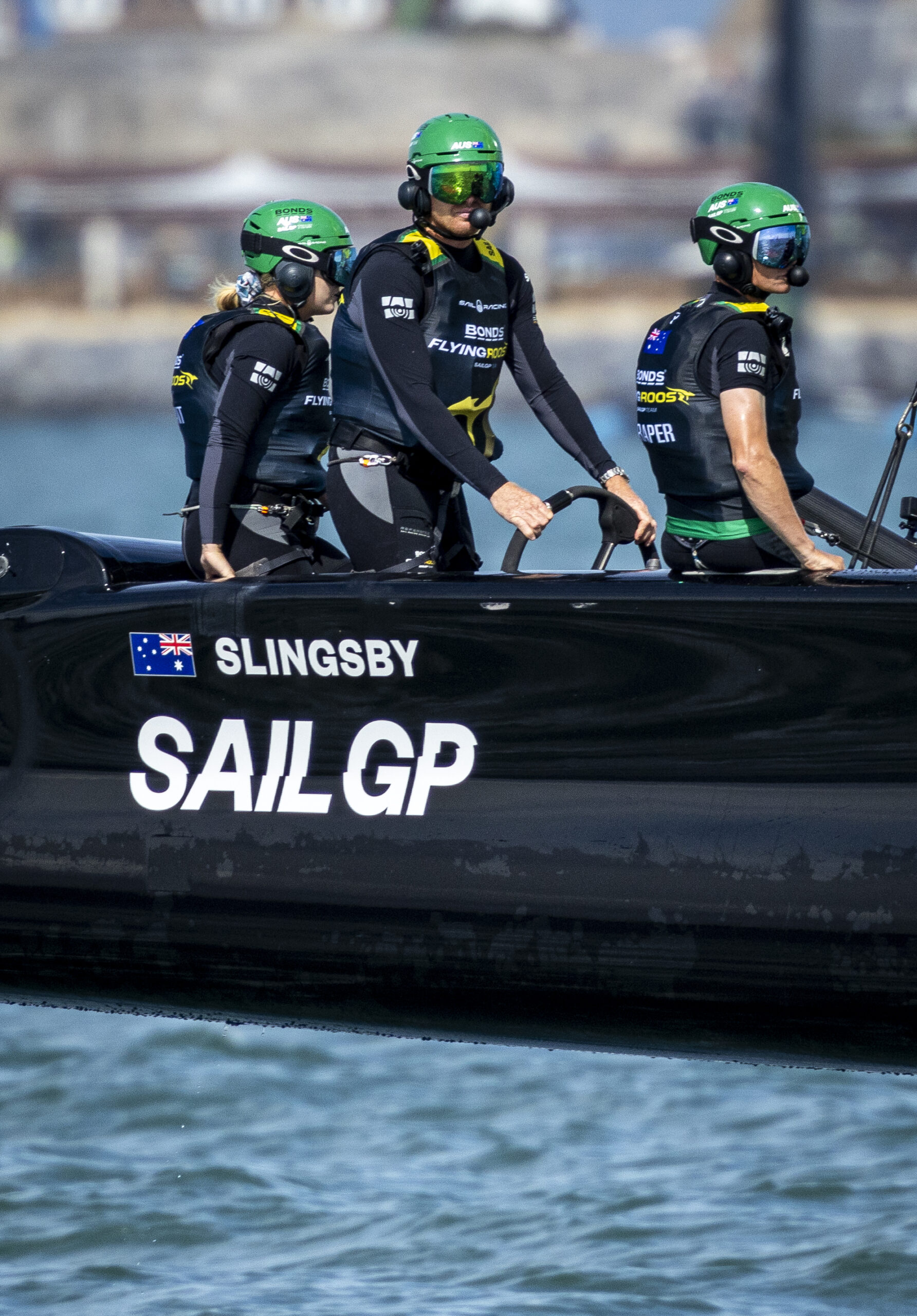
Olympic medallist and Rolex Testimonee Tom Slingsby in his element
The astute readers might be asking at this point, ‘If sailing and luxury have such a long history, why is it the next big thing?’ This is where Ryan Reynolds and Hugh Jackman come in. The fact that the Australian SailGP team looks set to get the Wrexham treatment and turn into a multi-faceted sports marketing machine could well be the rocket fuel needed to turn the niche sport of sailing into the next F1. Aside from the obvious land/water differences, there are a lot of key similarities. They’re sports with a high barrier to entry and a strong technical appeal, which has kept them somewhat out of the mainstream view for many years, but there’s also a real human element, with small, tightly knit crews and long-standing rivalries making for some compelling drama. A Disney+ series on the Australian sailing team could serve as an excellent test case for the widespread appeal of sailing, and if it goes well, we might well be seeing a Sail to Survive series streaming soon.
As noted at the start of this story, watch brands have always had a soft spot for high-end, expensive sports — it makes sense to go where your clients do. But the juggernaut that is F1 in the 2020s has proved that the aspirational power of these niche pursuits might be far more than once suspected. We have no doubt that Richemont and others are looking at the success the LVMH group has had with envious eyes, and casting around for the next big thing. Now, lacking a crystal ball, it might be cycling, it might be sailing or it might be something else entirely. But, without a doubt, it will be something.
You may also like
News
TAG Heuer’s New Connected Calibre E5 × New Balance Edition Brings Performance Into The Digital Age
Oct 8, 2025
News
TAG Heuer’s New Connected Calibre E5 × New Balance Edition Brings Performance Into The Digital Age
Oct 8, 2025
News
Louis Vuitton Revives The Monterey: A Cult Classic Reborn
Oct 6, 2025
News
Louis Vuitton Revives The Monterey: A Cult Classic Reborn
Oct 6, 2025
News
Breitling Revives Premier Legacy With Lady Premier Collection
Oct 1, 2025
News
Breitling Revives Premier Legacy With Lady Premier Collection
Oct 1, 2025