

The Legend of Franck Muller Part 1: Who is Franck Muller?
The Legend of Franck Muller Part 1: Who is Franck Muller?

Every genre of art and science has its era-defining heroes, none more so than in that unique merger between mathematics and mayhem known as mechanical timekeeping. With each period in horology, one watchmaker has stepped forward to be the definitive genius of his time. Each of these men has not just brought about advancements in watchmaking, but also shaped our cultural destiny.
Though there have been many watchmakers who have contributed enormously to the landscape of the 20th century, there is one individual whose impact has been extraordinary. He would be the first great horological icon after watchmaking faced its greatest threat ever. He would usher in a new golden era for high watchmaking that would simultaneously connect its values to an all-new generation while completely redefining the significance of the wristwatch in contemporary culture. His name is Franck Muller, and this is his story.
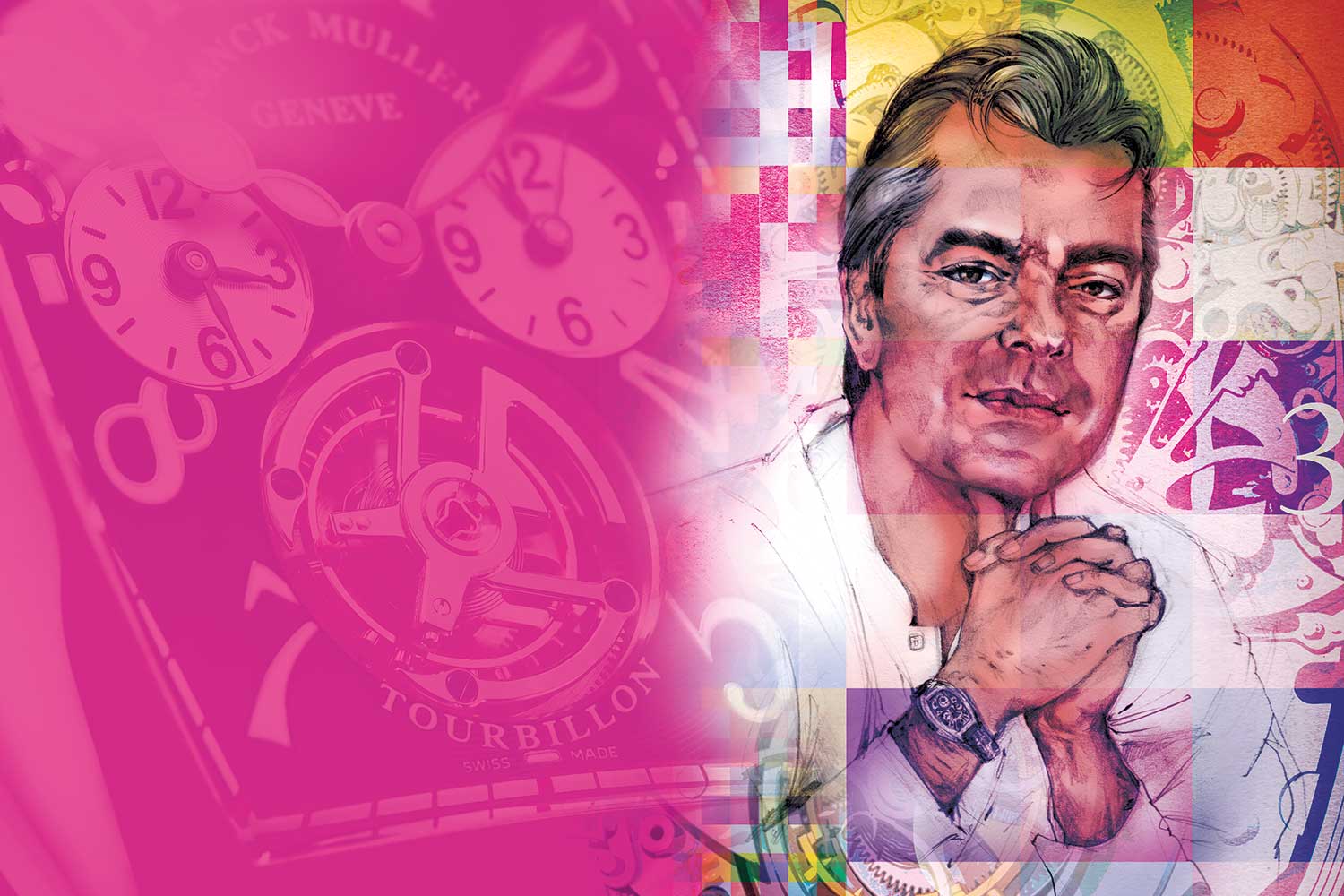
Franck Muller (Illustration Pk Cheng)
In many ways, Franck’s story stretches back centuries before he was born. It began with the ancient Sumerians as they first traced the passage of the day. It has its roots in the mid- 14th century when Giovanni de’ Dondi of Padua would create one of the most ambitious instruments to capture the fleeting eternity we perceive as time. De’ Dondi’s ambition was to transcend the mere tracking of civil time and communicate a greater revelation of our planet’s orbit around the sun. His Astrarium was based on the writings of renowned astronomer Johannes Campanus, and it was, simply speaking, the most advanced astronomical clock and planetarium of its time.
Franck’s story is similarly rooted in that of a Yorkshire cabinetmaker turned horologist, John Harrison. Determined to give England a clock accurate enough to provide position at sea, Harrison’s H4, presented in 1761, represented 31 years of unremitting labor and was the tool that allowed man to navigate the world beyond the horizon. Franck’s precursors include Abraham-Louis Breguet, the consummate showman and watchmaker whose iconic inventions include the tourbillon regulator; Christiaan Huygens, inventor of the hairspring; Pierre Le Roy, innovator of the detent escapement; Ferdinand Berthoud, fabricator of the world’s most revered marine chronometers; Charles Édouard Guillaume, Nobel Prize-winning inventor of the thermal- compensating balance spring material, Elinvar. But while each of these men labored to bring a new chapter to the story of high horology, Franck Muller’s immense challenge would be to keep the story of mechanical watchmaking itself alive.
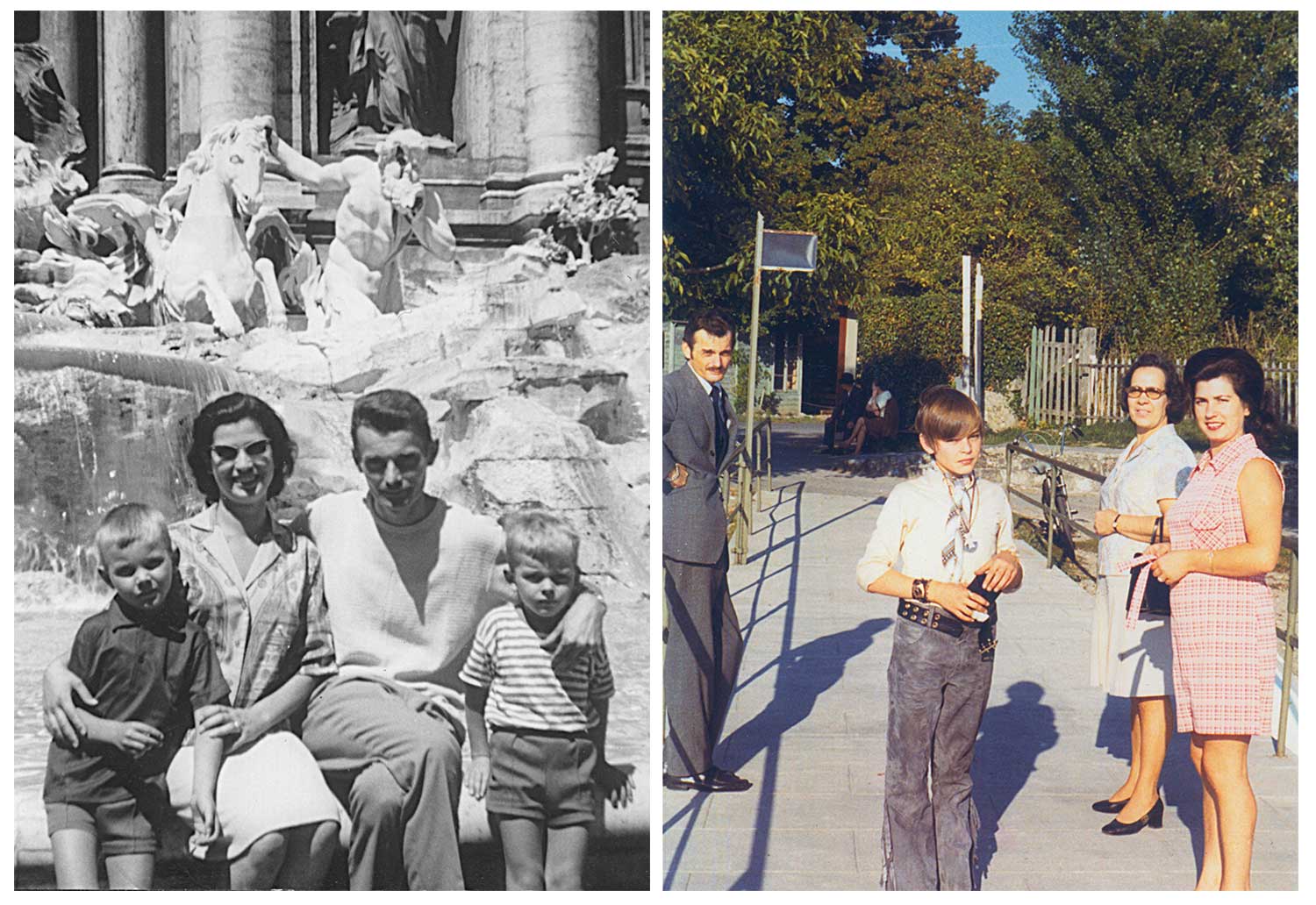
For Franck Muller, family is a continuous source of motivation; his late father, in particular, was the driving force behind his decision to become a watchmaker
The era in which he came to prominence was when the watch industry attempted to rebuild itself after suffering its most brutal and devastating assault in its 300-year-old history. It would be Franck who would become its greatest vehicle for rebirth.
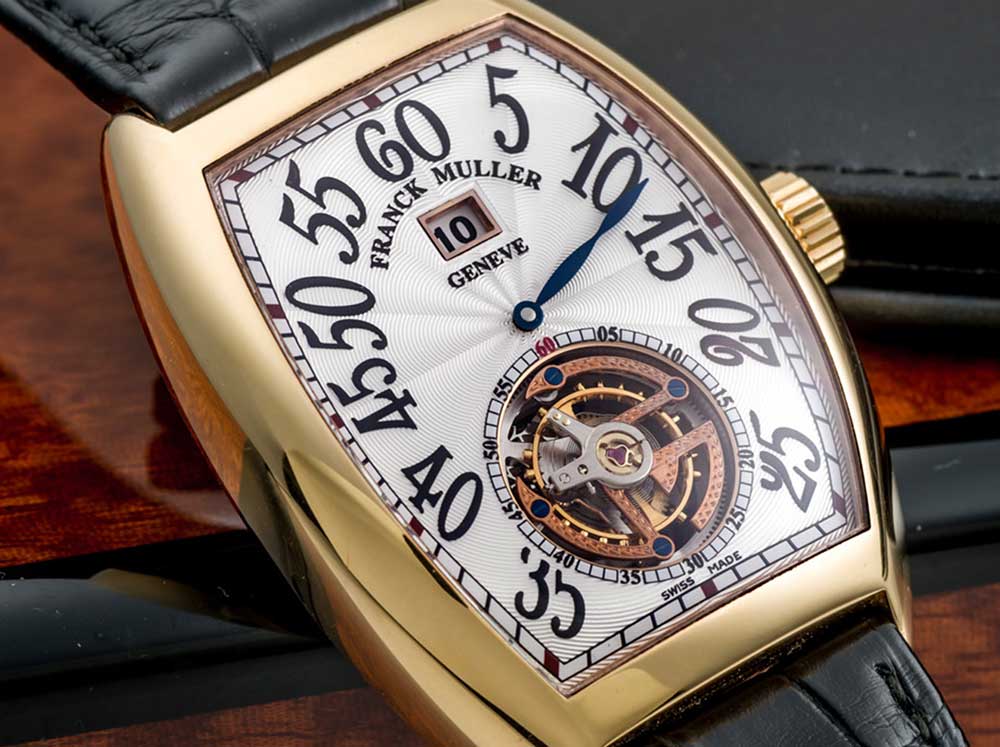
Franck would achieve this rebirth based on three pillars. The first involved his reintroduction of classical Swiss high watchmaking renewed through aesthetic innovation and technical audacity to an all- new audience. A chief example of this is his introduction of one of watchmaking’s most famous complications, the tourbillon regulator, to the wristwatch. The second required Franck to use his dexterity to meet the needs of the modern world. A prime example of this is his creation of the revolutionary Master Banker, a watch that enables its user to simultaneously keep track of three time zones. Finally, Franck also transformed the watch from a precision instrument into a canvas for the emotional expression of time. His Crazy Hours watch would delight and shock by creating a seemingly random jumble of numbers on the dial, yet the hands would always find their way to the correct index as if guided by some divine intervention.
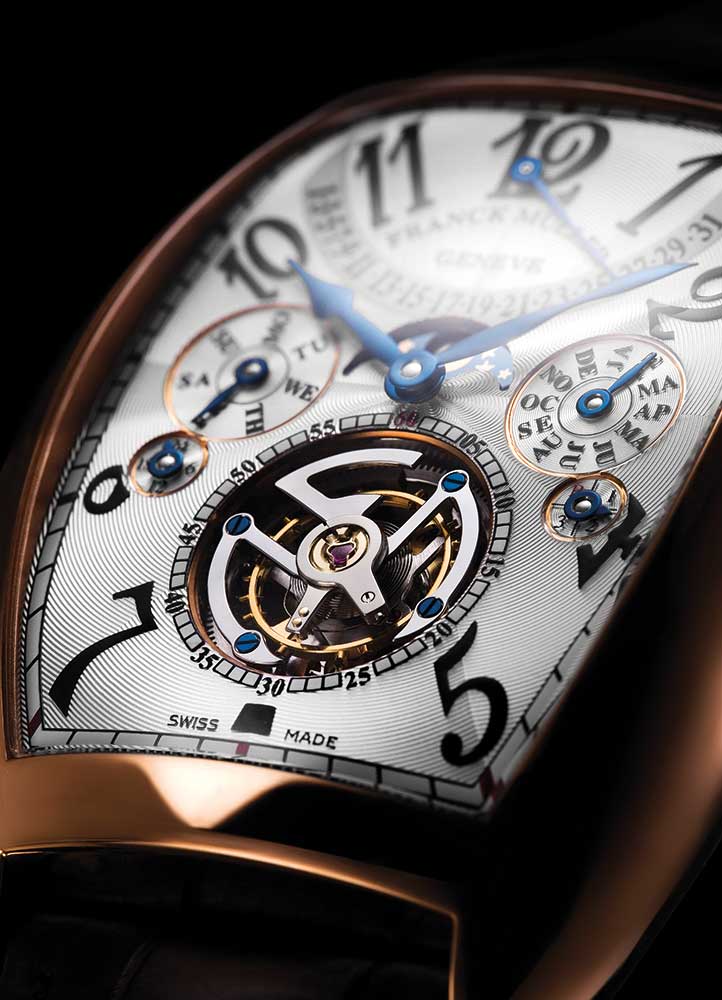
Franck Muller Cintrée Curvex Tourbillon
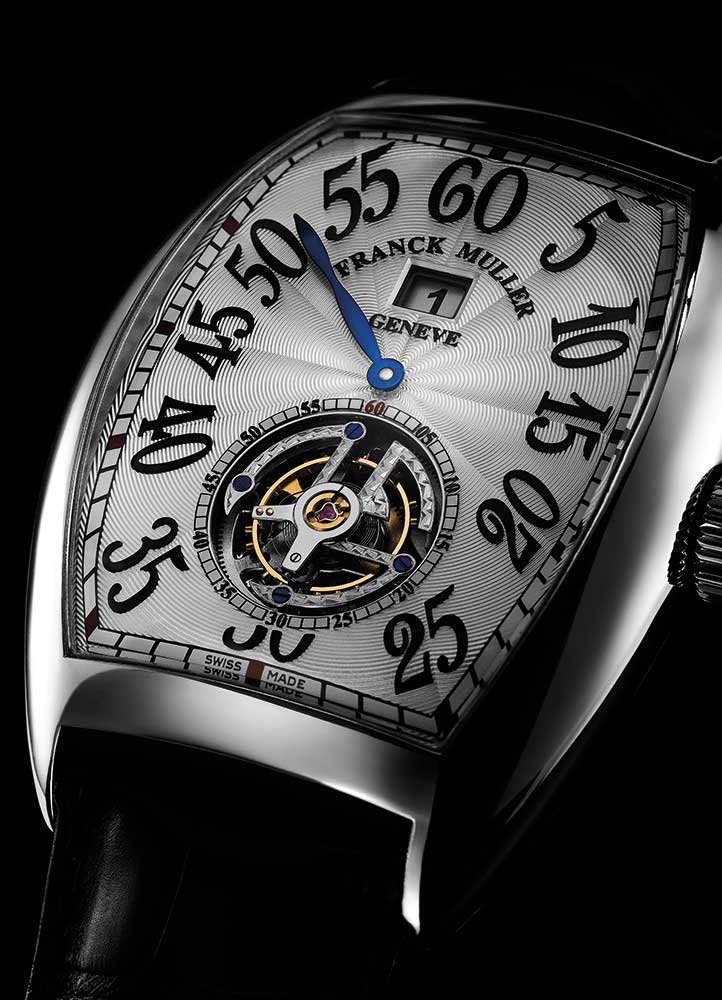
Franck Muller Cintrée Curvex Jumping Hours Tourbillon
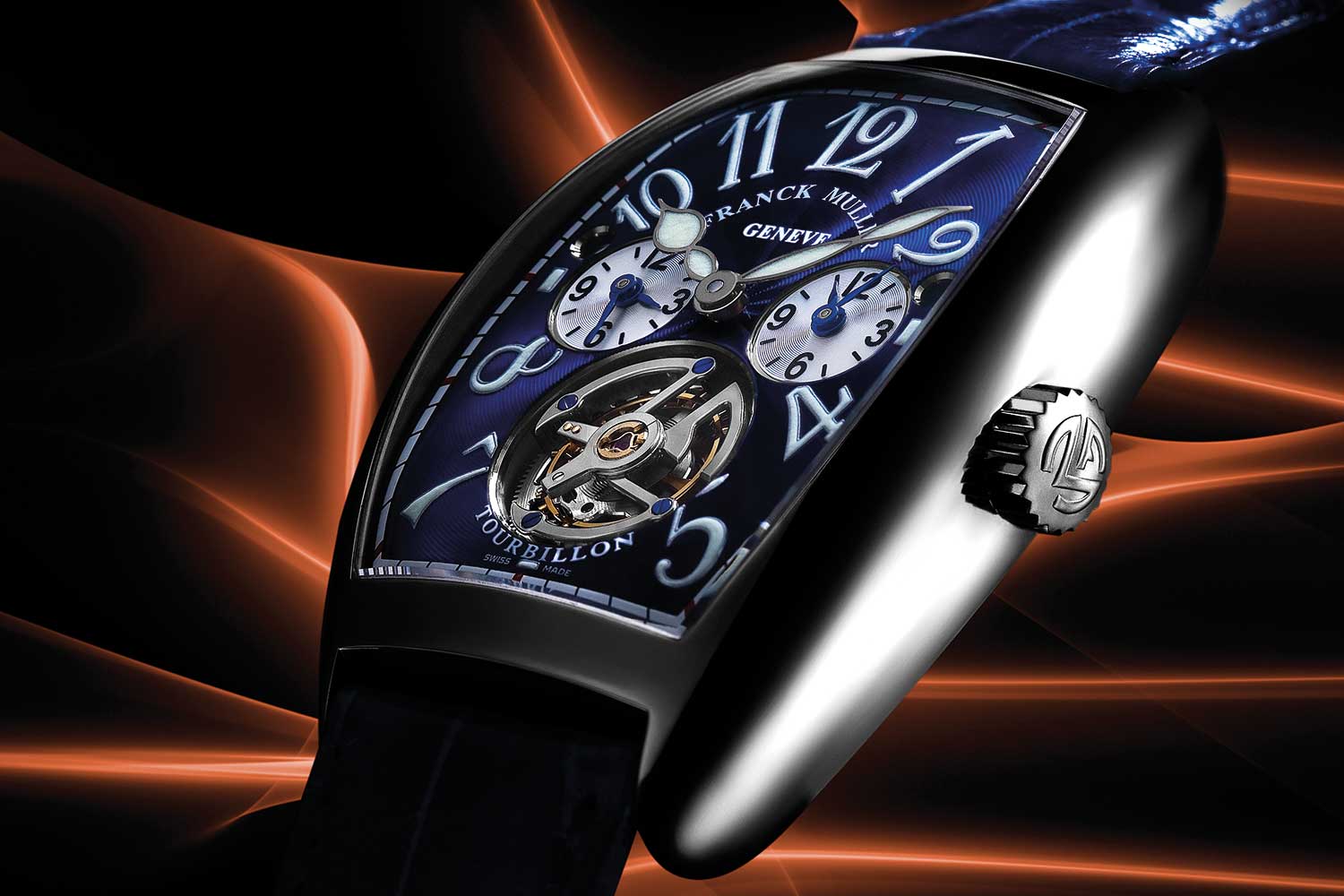
The Franck Muller Cintrée Curvex Master Banker Tourbillon is a combination of two of Franck Muller‘s iconic achievements, the world's first wristwatch tourbillon and the triple time zone complication.
The Young Prodigy
Who is Franck Muller? He is part showman, part technical prodigy… part impresario and part elusive genius. Muller was born in 1958 to an Italian mother and a Swiss father, and in many ways, his equal footing in these cultures would define the watchmaker he would become because encoded within his DNA were the design acumen, aesthetic bravado and reverence for science that typified Italian watchmaking, as well as the dedication to precision and the respect for the traditional values that are at the root of Swiss watch culture.

Franck Muller in 1977 during the school of watch
“What is clear is that without Franck Muller, watchmaking would not exist at the same level of cultural relevance as it does today” — Independent Watchmaking Legend, Philippe Dufour
This concept of duality inhabiting Muller is fitting indeed, because in many ways, he would influence both the past and the future of watchmaking. By reaching back to its historic roots, he brought an all-new relevance to its mythical language of complications; and by transmitting the value of gearwheels, hairsprings and balances to an all-new contemporary world, he defined its future.
Franck enacted a rebirth for horology that continues to be the single biggest influence on the shape of contemporary horology today. Says independent watchmaking legend, Philippe Dufour, “What is clear is that without Franck Muller, watchmaking would not exist at the same level of cultural relevance as it does today.” Michel Parmigiani, another Swiss horological hero, states: “Franck may very well be one of the most talented individuals to take up the craft of watchmaking.”
Franck Muller
You may also like
News
These Are The Most Iconic Singapore-Exclusive Timepieces Over The Years, And Then Some
Aug 8, 2025
News
These Are The Most Iconic Singapore-Exclusive Timepieces Over The Years, And Then Some
Aug 8, 2025
Editorial
Here’s The Truth About Jay-Z’s Unique Rolex Perpetual Calendar Modified by Franck Muller
Jul 21, 2025
Editorial
Here’s The Truth About Jay-Z’s Unique Rolex Perpetual Calendar Modified by Franck Muller
Jul 21, 2025
News
Franck Muller And #FR2 Reunite For The Latest Vanguard Beach Limited Edition
Jul 17, 2025
News
Franck Muller And #FR2 Reunite For The Latest Vanguard Beach Limited Edition
Jul 17, 2025